
Science for Future Physicians is a hands-on, interactive course designed especially for curious students ages 11–14 who want to explore the fascinating world of medicine. Students step into the role of young medical interns as they investigate how the human body works, what happens when we get sick, and how doctors use science, data, and problem-solving to keep people healthy. Through experiments, simulations, and medical mystery challenges, students build real scientific thinking skills while discovering that the human body is one of the most complex—and amazing—systems there is.
Day 1 – How the Human Body Works
Focus: Understanding body systems and how doctors measure health
-
Measure heart rate, breathing rate, and reflexes, then compare results before and after exercise
-
Learn how the circulatory and respiratory systems work together to deliver oxygen
-
Record and analyze real “patient vitals” just like physicians do
Day 2 – Cells: The Building Blocks of Life
Focus: How tiny cells create healthy (and unhealthy) bodies
-
Conduct an osmosis experiment to see how cells gain and lose water
-
Examine images of healthy vs. damaged cells and connect cell damage to disease
-
Build a model of an animal cell and learn how cells form tissues and organs
Day 3 – Germs, Disease & Defense
Focus: How illnesses spread—and how the body fights back
-
Simulate how germs spread through touch and shared surfaces
-
Test how effective proper handwashing really is
-
Act out the immune system to understand how white blood cells identify and destroy invaders
Day 4 – Medical Detectives
Focus: Diagnosing illness using evidence and logic
-
Analyze symptoms, vitals, and patient history to diagnose mock medical cases
-
Learn how doctors rule out conditions using data—not guesses
-
Work in teams to solve a “medical mystery” and defend diagnoses with evidence
Day 5 – Innovation & Careers in Medicine
Focus: How medicine solves problems and saves lives
-
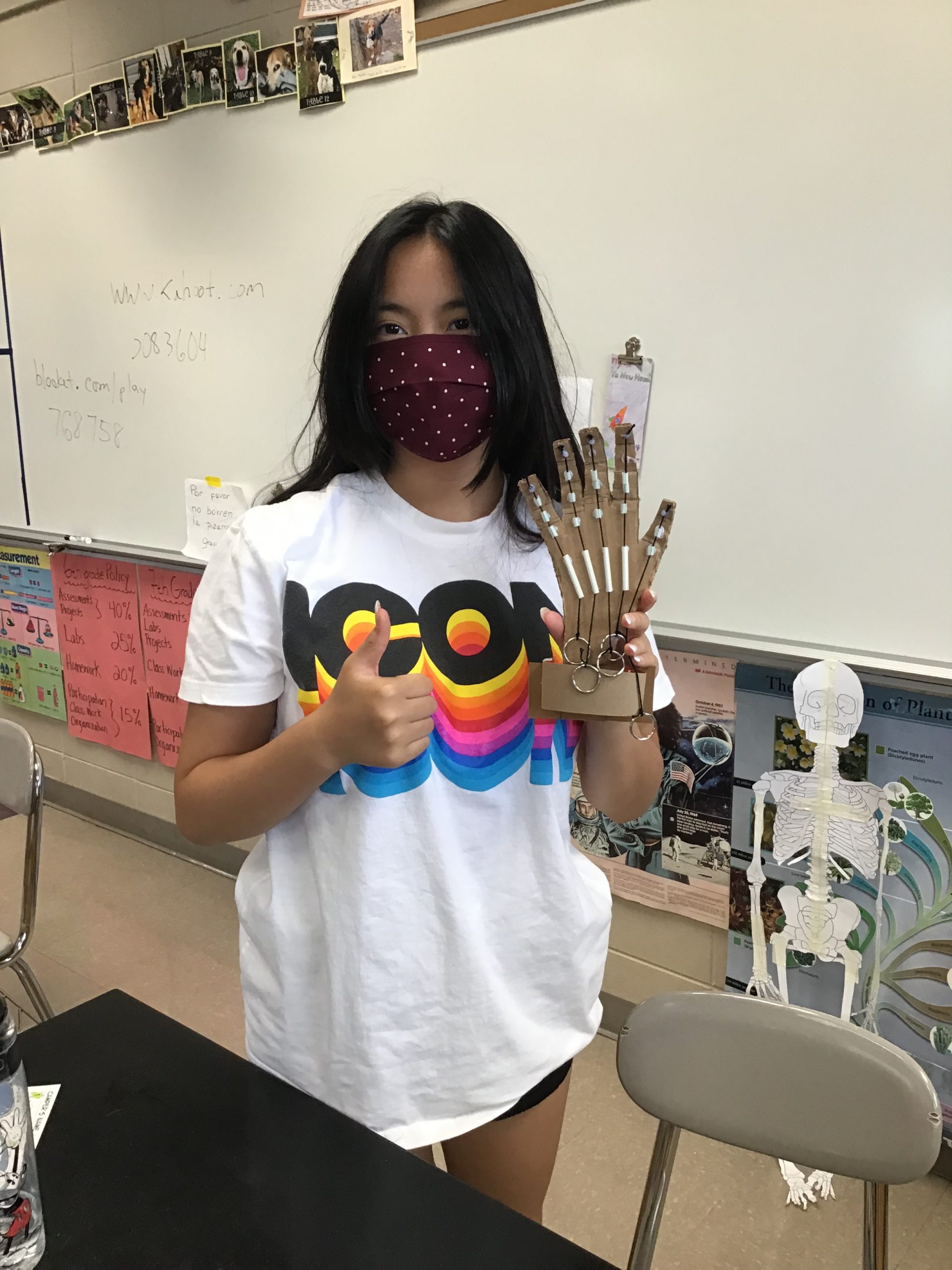
Design and build a working model of a prosthetic hand, then test and improve it
-
Explore medical technology such as X-rays and diagnostic tools
-
Present a short medical briefing on a body system, disease, or invention and explore careers in healthcare